- Lecturer: Evelyn Muhindo
Brief Course Description
This course is designed to help students learn and apply all the concepts and skills needed to conduct a scientific and geographic research project from beginning to end. It also aims to equip students to understand and critically assess scientific research that has been conducted using a variety of approaches. Essentially, the course provides basic tools and techniques for research to help students follow their curiosity by investigating human and physical geography real-world problems and questions in a scholarly way. Topics addressed include; Introduction to research methods, geographic dimensions of research topics, Literature review, The research process, research proposal and research report formats, formulation, evaluation, and communication, conclusions and inferences from researched information.
Course Objective
At the end of the course the student should be able to:
- To introduce students to a variety of methods in the study, analysis and research in geography
- To introduce students to research in a variety of geographical environments i.e. skills of identifying and explaining research problems
- To enable students to select appropriate methods to study diverse geographical issues
- To develop student's geographical skills of numeracy and data collection, data management, manipulation, analysis, display, interpretation and explanation, report writing and presentation
Learning Outcomes
On successful completion of the module students will be able to:
- Design simple research projects using a diversity of approaches and techniques of information collection, analysis, display and interpretation
- Designing questionnaires
- Demonstrate ability to undertake geographical analysis and research
- Design a range of methods to undertake geographical analysis and research
- Formulate basic research questions and proposals in physical and human geography contexts
- Apply basic statistics to geographical data
- Analytical skills
- Ability to describe, analyse, interpret and synthesize data
- Ability to present findings using oral, written or electronic media
- Ability to work effectively within a group
- Lecturer: Francis Wasswa NSUBUGA

Computer programming (programming) is the craft of implementing one or more interrelated abstract algorithms using a particular programming language to produce a concrete computer program. Programming has elements of art, science, mathematics, and engineering. From a higher perspective, there are generally two programming paradigms: Functional and Object-Oriented programming approaches. In the development of software, programming occurs at the implementation phase. The choice of the language is dependent on many factors some of them being the task domain, data storage and the ease of use. This course delves in to higher aspects of computer programming using C as the language of instruction.
- Lecturer: KASAAZI George William

The course introduces the student to the concepts of Object-Oriented Programming. Features of OOP such as data Abstraction, Inheritance and Polymorphism and Re-use will be introduced to the student. The student will also be introduced to the benefits of object-oriented programming in developing software applications. The student will be introduced to methodology of writing computer programs in C++.
- Lecturer: KASAAZI George William
- Lecturer: Dr. Dickson Mugerwa
- Lecturer: Francis Wasswa NSUBUGA
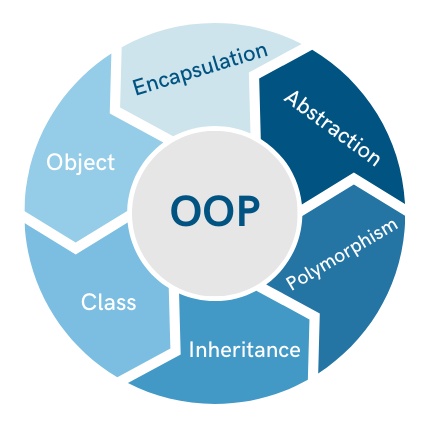
The programme introduces Object Oriented design for re-use of general purpose applications, the Java API and Abstract Windowing Toolkit. The use of Java as an object-oriented programming language including encapsulation, simple inheritance, and polymorphism; design of Java classes using Java interfaces and packages
- Lecturer: KASAAZI George William

- Lecturer: Niwareeba Roland
Welcome to HGE 2107 (Application of GIS in weather and climate change), a course taught by Dr Francis Wasswa Nsubuga in this semester. In a course on the application of GIS in weather and climate change, you'll learn to use Geographic Information Systems (GIS) to understand, analyze, and address climate-related issues. The curriculum typically combines theory about climate science with hands-on technical skills in GIS and remote sensing. The goal is to equip you with the tools to visualize climate data, model future scenarios, and develop strategies for adaptation and mitigation. The course has a total of 45 contact hours, is worth 3 credits, and is a Year II, Semester I course. This course will offer a set of methods and techniques that use GIS for analysis and monitoring of weather and climate change, with applications in climate change impacts and adaptation. Participants will also acquire a better understanding of climate change impacts, adaptation measures for freshwater resources, and time series analysis.
In addition to this study guide, additional information for lectures and practical’s will be provided on KELMS from time to time. It is essential that you access these files over the internet and print out your own copies. Please note that it is essential to attend the classes (or view lectures online) and to take notes at lectures as much more additional material is provided during lectures than appears in these notes. This study manual provides an outline of what is required, suggested source material and the necessary time frames for the course HGG 2102. You are welcome to interact with us in the course of learning.
- Lecturer: Francis Wasswa NSUBUGA